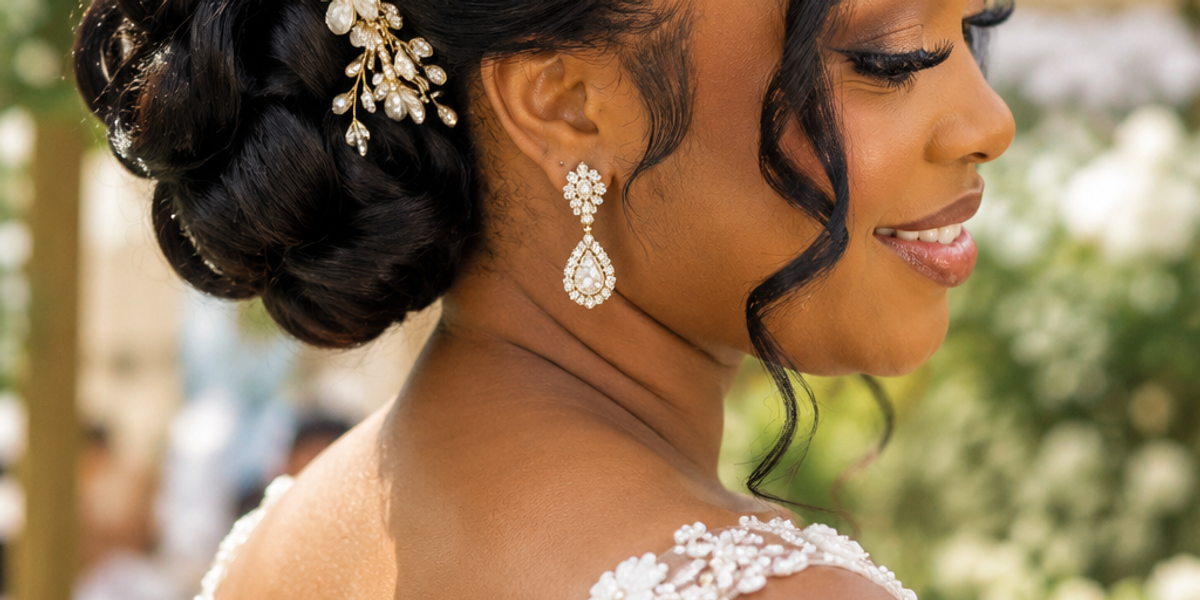
Bridal Hairstyles for Nigerian Brides: How to Actually Choose Yours
Between the traditional outfit, the white wedding gown, and the reception look, most Nigerian brides need more than one hairstyle. Here's how to plan yours without last-minute panic.
Most brides in Nigeria don't need one wedding hairstyle. They need three or four, and nobody tells them this until they're three weeks out and suddenly realising the traditional outfit needs a different look from the white gown, which needs a different look from the reception change.
That's not you being extra. That's just how Nigerian weddings work. And it's exactly why bridal hair planning deserves more attention than most brides give it until it's almost too late.
Start with your events, not your Pinterest board
It's tempting to pick a hairstyle because it looked beautiful on someone else's wedding day. But the better starting point is your actual schedule.
If you have a traditional engagement, a white wedding, and a reception, you're likely looking at two or three different hair moments, not one. Some brides keep the same base style and change accessories between events. Others go for a completely different look for each. Either approach works, but you need to decide this early, because it affects how your hair should be prepped and how much time your stylist will need on each day.
Traditional wedding hair
For introduction ceremonies and traditional weddings, your hairstyle often needs to work with a gele or headpiece, which changes what's actually visible. A sleek low bun, cornrows styled close to the scalp, or a neat updo tend to work best here because they sit comfortably under a gele without adding bulk at the crown.
White wedding hair
This is usually where brides go for something softer and more romantic, loose curls, a half up style, or a low side-swept updo. If you're wearing a veil, tell your stylist in advance. Veil placement changes how the hair needs to be sectioned and pinned, and this is not something to figure out five minutes before the ceremony.
Reception hair
By reception, most brides want something they can dance in without worrying about it falling apart. This is often a good place for a slightly simplified version of your white wedding look, or a completely different style if you're doing an outfit change.
Choosing a style that actually suits your face and hair
A hairstyle that looked stunning in a photo you saved won't automatically suit your face shape, hairline, or hair texture. A few honest guidelines help.
- If you have a round face, styles with height at the crown or soft layers around the face tend to be more flattering than styles that add width, like a very full low bun.
- If you have a longer face shape, a style with some volume at the sides can help balance it out, while very sleek, flat styles can sometimes elongate it further.
- If your edges are thin or you've had past tension damage, avoid styles that pull tightly at the hairline. Your wedding day is not the day to test how much tension your edges can take.
- If you're natural and want to wear your texture rather than a wig or extensions, say so early. Not every stylist has the same comfort level styling natural hair for events, and you want someone confident doing it, not someone learning on your wedding day.
When to book your bridal hairstylist
A good bridal hairstylist gets booked out early, sometimes months in advance during wedding season. A reasonable timeline looks like this.
- Three to six months before, start researching stylists and looking at their actual client photos, not just their promotional shots
- Six to eight weeks before, book a trial session
- One to two weeks before, confirm your final look and timing for the wedding day itself
The trial session matters more than most brides realise. It's the one chance to see how a style photographs, how long it holds, and whether it actually feels like you before the day it truly counts.
What to bring to your bridal hair trial
- Reference photos, but be open to your stylist adjusting them to suit your hair and face
- Your veil or headpiece, if you have it already
- A rough idea of your wedding day timeline, since some styles simply take longer than others
- Honest information about your hair's current condition, including any past styling damage or scalp sensitivity
Why professional bridal styling is worth it
DIY or a rushed same-day booking might be fine for a regular event, but a wedding day has almost no room for error. Between the number of hours the style needs to last, the weight of a gele or veil, and photos that will exist forever, this is one occasion where experienced hands genuinely make a difference.
If you'd rather have someone experienced handle your bridal look from trial to wedding day rather than leaving it to chance, Zerrar Hairstyling makes it easier to book a hairstyling service and plan ahead instead of scrambling the week of your wedding.
The bottom line
Bridal hair planning is really schedule planning in disguise. Know your events, be honest about what suits your face and hair, book your stylist early, and use your trial session properly. Do that, and your hair will be one less thing to worry about on a day that already has enough happening.
Planning your wedding hair and want it handled by someone who does this for a living, not learned overnight?
Book your hairstyling service through Zerrar Hairstyling:
https://hairstyling.zerrar.com
For enquiries, contact:
[email protected]